Loading product literature...
Cell culture media are nutrient-rich formulations designed to support the growth, survival, and function of cells outside their natural environment. In research, diagnostics, and bioprocessing, selecting the right cell culture media is critical for maintaining cell physiology, ensuring experimental reproducibility, and achieving reliable outcomes.
This overview explains what cell culture media is, the types of cell culture media, how they work, and how researchers can choose and optimize media for specific applications.
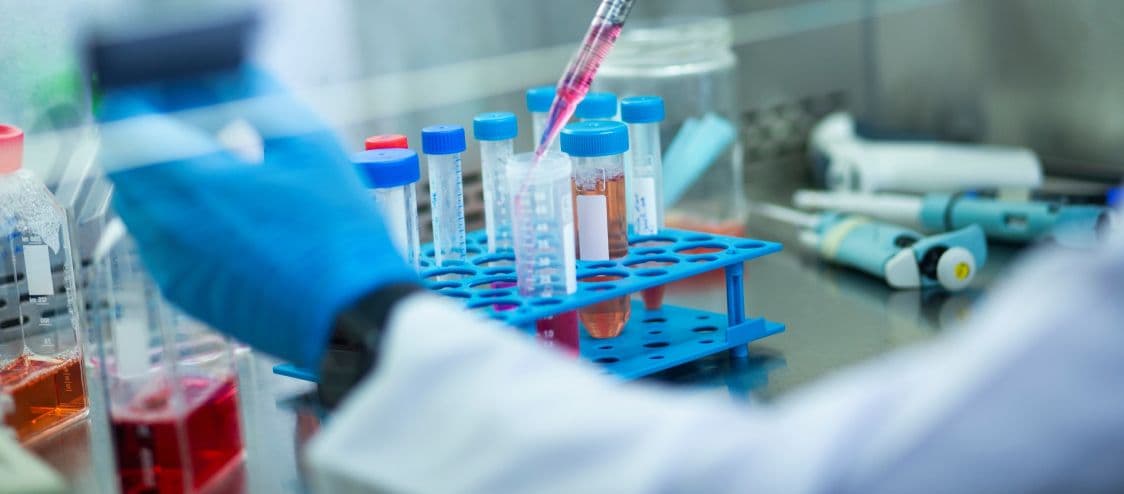
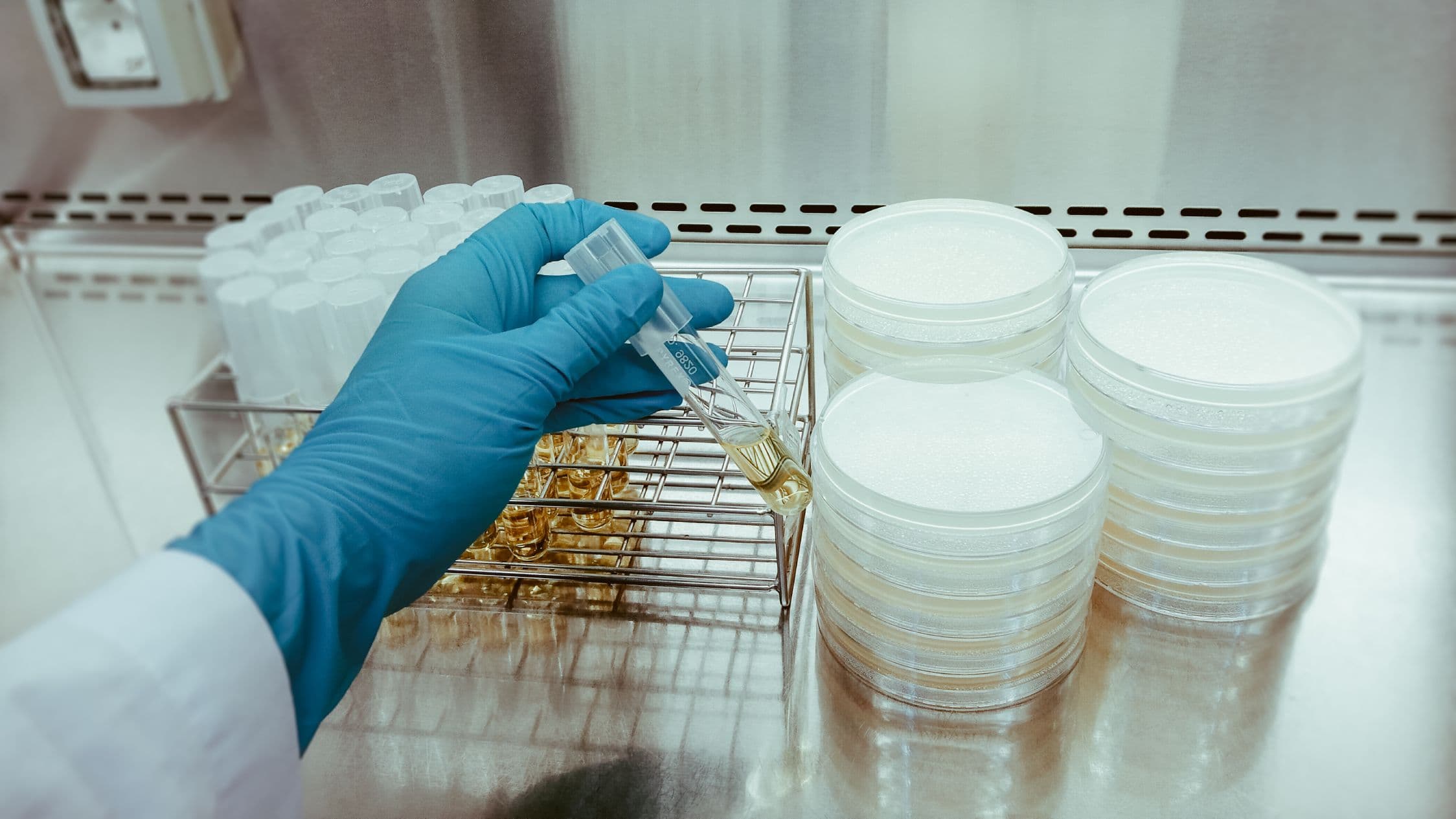
Cell culture media are liquid or semi-solid formulations that provide cells with the nutrients, salts, buffering capacity, and environmental conditions required to grow and function in vitro.
These media are designed to replicate key aspects of the cellular environment, including:
Cell culture media are used across mammalian cell culture, microbial culture, vaccine research, protein expression, and biopharmaceutical development.
Cell culture media are composed of multiple functional components, each playing a distinct biological role:
Key Media Components
Why it matters:
Changes in media composition can directly influence cell growth rate, morphology, gene expression, and experimental outcomes.

There are several types of cell culture media, each designed for different cell types and research goals.
Basal Media
Basal media provide essential nutrients and salts but require supplementation.
Examples include:
Used for: general mammalian cell culture when combined with serum or supplements.
Complete Media
Complete media are basal media supplemented with serum, growth factors, or additives.
Used for:
Serum-Free and Chemically Defined Media
These formulations eliminate or tightly control serum components.
Used for:
Specialty and Microbial Media
Designed for specific organisms or applications.
Examples include:
While standard media work for many applications, custom or modified media formulations may be required to:
Custom media solutions can adjust:
This is particularly valuable in bioprocessing, therapeutic development, and assay optimization.
Best Practices
Every cell culture medium is unique to the cell type used and the experimental application. Select the appropriate cell culture medium from our catalog or design your optimal formulation with custom manufacturing options at Boston BioProducts.
Bacterial Cell Culture Media | |
|---|---|
General-purpose for E. coli. Used for routine cultivation and protein expression. | |
Minimal medium for E. coli. Used for selective growth and metabolic studies and requires specific nutrient supplementation. | |
Rich medium for high-density bacterial cultures. Used for protein expression. | |
Super Optimal Broth (SOB Broth) | Rich medium used to provide an optimal environment for cellular growth and metabolism. Contains higher levels of amino acids than typical basal media. |
Recovery medium after heat shock transformation. Used to enhance plasmid recovery and cell growth. | |
Yeast/Fungal Cell Culture Media | |
|---|---|
Yeast Extract-Peptone-Dextrose (YPD Broth) | Rich medium for S. cerevisiae and other yeast. Supports growth and maintenance. |
Synthetic Defined Medium (SD Medium) | Defined medium for yeast that is customizable for specific nutrient requirements. Suitable for selective growth. |
Yeast Nitrogen Base (YNB Medium) | Minimal medium for yeast that requires specific nutrient supplementation. |
Sabouraud Dextrose Broth | Fungal culture medium for isolation and cultivation of dermatophytes and yeasts, containing dextrose and peptone. |
Mammalian Cell Culture Media | |
|---|---|
Dulbecco's Modified Eagle's Medium (DMEM Medium) | Widely used for suspension of mammalian cells. DMEM contains essential nutrients, vitamins, and glucose and is suitable for various cell lines. |
Ham’s F-12 | A nutrient mixture made with glucose, amino acids, and inorganic salts, with higher levels of amino acids and sodium pyruvate. Used to cultivate a variety of mammalian and hybridoma cells when combined with serum. |
RPMI 1640 Medium | Developed for human cells and is suitable for a variety of mammalian cells. Contains amino acids, vitamins, and inorganic salts. |
F-12 Media | A mixture of DMEM and Ham’s F-12, containing glucose, amino acids, vitamins, and inorganic salt. |
IMDM Media | Modified version of DMEM with additional selenium, amino acids, vitamins, and glutamine. It also lacks iron. |
Medium-199 | Composed of purines, pyrimidines, and fat-soluble compounds. Typically used for cultivation of non-transformed cells. |
Fetal Bovine Serum (FBS) | Used in mammalian cell culture, providing growth factors, hormones, and nutrients. Commonly added to basal media. |
Minimum Essential Medium (MEM) | General-purpose medium for various mammalian cell lines that contains essential nutrients and vitamins. |
Serum-Free Medium (SFM) | Designed for cell culture without serum. SFM eliminates serum-derived variability and is suitable for specific applications. |
Application | Media Considerations | Key Notes |
|---|---|---|
Mammalian cell culture | Balanced nutrients and buffers | Maintain physiological pH and osmolality |
Immune cell workflows (e.g., PBMCs) | Specialized supplementation | Media choice impacts activation and viability |
Protein expression | Optimized amino acid and energy supply | Supports yield and consistency |
Defined carbon and nitrogen sources | Growth rate and byproducts vary by media | |
Bioprocess development | Consistency and scalability | Lot-to-lot reproducibility critical |
Application | Media Considerations | Key Notes |
|---|---|---|
Poor cell growth | Incorrect media or supplementation | Confirm media compatibility with cell type |
pH instability | Inadequate buffering or CO₂ mismatch | Adjust buffer system or incubation conditions |
High cell death | Osmolality or nutrient imbalance | Verify salt concentration and supplements |
Experimental variability | Serum or lot differences | Switch to defined or custom formulations |